Benefits of Installing a Chimney Cap
Discover the benefits of installing a chimney cap, including protection from rain, debris, animals, moisture damage, downdrafts, and chimney deterioration.




Based on 500+ Reviews

Proudly American
Owned & Operated

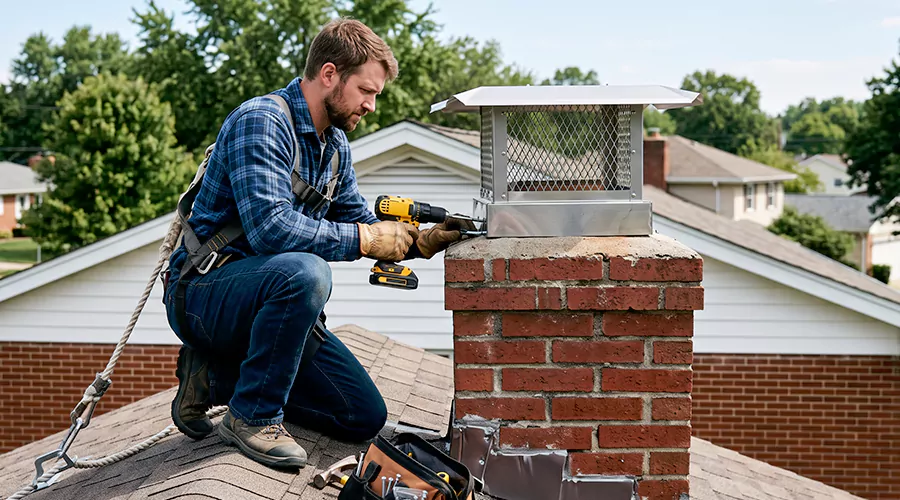
A chimney cap is a small but important component that helps protect the entire chimney system from moisture, debris, animals, and weather-related damage. Installed over the top opening of a chimney, a chimney cap creates a protective barrier while still allowing smoke and gases to escape properly.
Many chimney problems begin when water, leaves, or animals enter through an unprotected chimney opening. Installing a properly fitted chimney cap can help reduce maintenance needs, protect masonry, and extend the lifespan of the chimney system.
Understanding the benefits of a chimney cap can help homeowners decide why this simple upgrade is an important part of chimney maintenance.
A chimney cap is a protective cover installed over the top of a chimney flue or chimney opening.
Most chimney caps include:
The cap sits above the chimney opening and allows smoke and gases to exit while blocking unwanted materials from entering.
Chimney caps are commonly made from materials such as:
The best material depends on the chimney type, weather conditions, and desired lifespan.
Without a chimney cap, the chimney opening is exposed directly to outdoor elements.
Rain, snow, leaves, and animals can enter the chimney and create several problems.
A chimney cap helps protect against:
Although it is a small component, a chimney cap plays an important role in protecting the chimney system.
One of the biggest benefits of installing a chimney cap is reducing water entry.
Without a cap, rainwater can fall directly into the chimney opening and reach:
Over time, moisture can contribute to:
A chimney cap helps block rain before it enters the chimney.
Water is one of the leading causes of chimney damage.
When moisture enters a chimney, it can weaken:
Repeated moisture exposure can lead to:
By reducing water entry, a chimney cap helps protect the structure and may reduce the need for repairs.
An open chimney can become an attractive place for animals to enter and build nests.
Common animals that may enter chimneys include:
Animal entry can cause:
The mesh screen on a chimney cap helps prevent animals from entering while maintaining proper airflow.
Leaves, twigs, and other outdoor debris can enter an uncovered chimney.
Debris buildup can create:
A chimney cap acts as a barrier that keeps unwanted materials outside the chimney.
A blocked chimney can affect how smoke and gases exit the fireplace.
Blockages may occur because of:
A chimney cap helps keep the flue opening clearer, allowing the chimney system to operate more efficiently.
In colder climates, snow and ice can enter an uncovered chimney.
Moisture from snow and ice can contribute to:
A chimney cap helps reduce direct exposure to snow and ice.
A chimney without a cap may require more frequent cleaning and repairs.
A chimney cap helps reduce:
While a chimney cap does not eliminate the need for inspections and cleaning, it can make chimney maintenance easier.
A chimney cap can contribute to safer fireplace operation by reducing the chance of blockages.
A clear chimney helps:
However, a chimney cap does not replace regular chimney inspections or cleaning.
Some chimney caps include spark arrestor screens.
These screens help reduce the chance of burning embers escaping from the chimney.
This can provide additional protection around:
The effectiveness depends on the type of cap and screen design.
A chimney cap helps protect multiple chimney components from damage.
By reducing exposure to moisture and debris, it can help extend the life of:
A small investment in chimney protection can help prevent larger repair expenses.
| With Chimney Cap | Without Chimney Cap |
|---|---|
| Blocks rain and debris | Open to weather exposure |
| Prevents animal entry | Animals can enter easily |
| Reduces moisture problems | Higher risk of water damage |
| Helps protect masonry | Increased deterioration risk |
| Requires less maintenance | More cleaning needs |
Installing a chimney cap provides an additional layer of protection for the chimney system.
A chimney may need a cap if:
Replacing a damaged cap can help restore chimney protection.
The correct chimney cap depends on several factors.
Consider:
Important features include:
A properly sized chimney cap performs better than a poorly fitted one.
Some chimney caps are designed for easier installation, but proper installation requires attention to safety and fit.
DIY challenges include:
A poorly installed chimney cap may:
Professional installation may be recommended for tall chimneys or complex systems.
The cost of a chimney cap depends on:
Common options include:
| Material | Cost Consideration |
|---|---|
| Galvanized steel | Lower cost option |
| Stainless steel | Durable and corrosion resistant |
| Copper | Premium appearance and longevity |
| Custom caps | Designed for unique chimneys |
The right choice depends on the chimney system and homeowner preferences.
Regular maintenance helps keep a chimney cap effective.
Helpful steps include:
A damaged chimney cap should be repaired or replaced when it no longer provides proper protection.
Yes. A chimney cap is one of the simplest ways to protect a chimney from common problems.
Benefits include:
Because chimney repairs can become expensive, preventing moisture and damage early is usually beneficial.
Installing a chimney cap provides important protection for the chimney system by preventing rain, debris, animals, and other outdoor elements from entering the chimney. A properly installed chimney cap helps protect masonry, reduce moisture damage, improve fireplace safety, and extend the life of chimney components. Although a chimney cap is a small addition, it plays a major role in long-term chimney maintenance. Regular inspections and proper care help ensure the cap continues protecting the chimney effectively.
A chimney cap helps prevent water entry, animal intrusion, debris buildup, and chimney damage.
Most masonry chimneys benefit from having a chimney cap because it provides protection from weather and debris.
A chimney cap can prevent water from entering through the chimney opening, but it will not fix leaks caused by damaged flashing, crowns, or masonry.
The lifespan depends on the material. Stainless steel and copper caps typically last longer than basic metal options.
A chimney cap can help reduce blockages and may include a spark arrestor screen, but regular chimney maintenance is still necessary.
Yes. An uncovered chimney can allow birds and other animals to enter and create blockages.
Discover the benefits of installing a chimney cap, including protection from rain, debris, animals, moisture damage, downdrafts, and chimney deterioration.
